Anúncios
Setting Realistic Nutrition Goals in Everyday Life
You’ll get actionable strategies for setting food-related targets. Start with clear intentions that align with what your day actually looks like—not what’s idealized.
Nutrition apps let you map actual meal times and current diet trends. This helps spot where unhealthy snacking or missed veggies happen most in your week.
Anchoring Intentions to Routine
Saying “I’ll add a fruit at lunch” works better than hoping to eat more fruit. Nutrition apps prompt reminders tied to meals.
Instead of vague goals, check the app after meals and log choices mid-bite. You’ll spot patterns and solutions without needing an end-of-day recap.
For example, if cravings arise at 3 p.m., log it and check your breakfast. Many people find that a regular breakfast impacts afternoon energy and choices.
Precision with Portion Awareness
Nutrition apps offer built-in portion visuals—think digital plate guides. Use these for confidence in portioning pasta, nuts, or cheese without second guessing.
The app suggests realistic amounts, like “half a cup,” not guessing games. This detail drives your confidence and leads to faster, healthier decisions over time.
If you’re unsure, open the app, look at a photo or diagram, and match your plate. These prompt smarter decisions for anyone learning new habits.
| Nutrition App | Main Feature | Ideal User | Takeaway |
|---|---|---|---|
| Food Logger | Easy barcode scanning | Busy workers | Scan snacks instantly for a no-fuss record—track what you actually eat every day. |
| Macro Balance | Macronutrient breakdown charts | Fitness trainers | See real-time protein/carb/fat intake—adjust lunch if breakfast lacks protein. |
| Meal Reminder | Scheduled meal notifications | Parents on the go | Prevents skipped meals by nudging with default times—a steady routine gets natural. |
| Recipe Builder | Custom healthy recipes | Home cooks | Suggests ingredient swaps—try “quinoa for rice” or “beans for meat” for small upgrades. |
| Water Counter | Hydration tracking | Desk workers | Adds hydration nudges—pair water reminders with snack logging to avoid dehydration snacking. |
Tweaking Daily Patterns for Consistent Progress
You’ll see the quickest results by adjusting repeat behaviors first. Nutrition apps support pattern recognition and help you stick with improvements you can maintain tomorrow.
For instance, logging lunch every day at the same time makes progress visible. Use that visibility to reinforce your strongest habits.
Noticing Hidden Sabotage Behaviors
Apps highlight trends: late dinners, indulgent late-night snacks, or coffee breaks filled with sugar. If your log fills up with chocolate in the afternoons, pause and reassess.
Say “I’ll swap the 3 PM candy bar for trail mix.” Use your app note field to describe the swap’s immediate impact, like fewer energy crashes or clearer focus.
- Log as you go, not end-of-day. Real-time entries improve accuracy and highlight mood/energy along with food choices. Stop relying on memory for details.
- Color code moods or hunger. Many apps now allow mood tags or energy sliders, revealing cycles between what you eat and how you feel after meals.
- Set recurring reminders. Small pings at set mealtimes keep you aware. Proactive reminders prevent accidental fasting or last-minute grab-and-go meals.
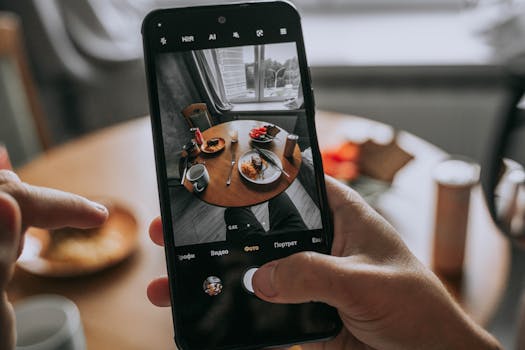
- Add photos with logs. Snap your actual plate before eating so trends aren’t just numbers—this boosts mindfulness and offers honest feedback about routine portions.
- Try “batch entry” on weekends. Sunday night, recap habits in the app, marking what worked: “Breakfast with eggs felt better than just coffee.” Note trends for growth.
Link habits from the app to visual cues in your day, like water bottles on your desk or fruit in a bowl. This keeps digital lessons physical and relevant.
Building Custom Reminders that Fit Your Schedule
Instead of default reminders, edit timing to match your real life: “Lunch prompt at noon” or “Snack reminder at 3:30 PM.” Personalizing nudges supports daily follow-through.
- Change notification wording. “Eat something green at lunch” triggers direct association; skip vague “eat healthier” reminders for precise, action-driven language.
- Pair reminders with calendar events. A 10 AM app check-in might coincide with a meeting break, making the prompt timely and less likely to be ignored.
- Adjust frequency based on struggle. Trouble with snacking? Add extra pings for the afternoon gap. Review if persistent, or consider a different habit cue.
- Invite accountability partners. Syncing with a friend through app features, like sharing logs or progress, encourages motivation beyond self-monitoring.
- Mark “done” for completed items. This quick digital check reinforces positive momentum and helps track, at a glance, which habits stick each week.
Tailoring reminders keeps nutrition app support genuinely helpful instead of just another ignored phone buzz. Stick with what fits your unique schedule and needs.
Connecting Meal Choices to Long-Term Wellness
Making food choices visible in nutrition apps gives you a map for long-term health. The app’s day-to-day logs reveal patterns, not just rules on a label.
That map lets you link a string of tiny choices to what you want your health to be like next season or next year. Progress shows up one meal at a time.
Creating Personalized Feedback Loops
Edit the way you track food in the app to match your actual goals. If you want energy, focus on fatigue ratings after each meal—not just calories or sugar grams.
Write a quick summary, like “Felt alert all morning after oatmeal/blueberries,” to notice patterns. Next week, repeat what works. Personalized entries become a treasure trove for habit changes.
Use your app’s weekly review feature to dig deeper: What changed—mood, skin, sleep—when you swapped snacks or portioned dinner with the app’s help? Use that info as a launchpad.
Celebrating Small Wins and Adjusting Regularly
Nutrition apps let you log non-scale victories, such as “ate veggies five days” or “hydrated fully every workday.” Tracking celebrates what counts beyond numbers.
If a week feels off, tweak instead of restart. For example, swap out dinner’s main carb or use an app challenge. Add entries like, “Next week, 3 veggie snacks.”
Praise yourself with specific examples inside your log: “Salad instead of fries,” or “Added nuts to breakfast.” Each entry becomes proof and encouragement to keep moving forward.
Guided Habit Building with App-Driven Challenges
Nutrition apps add fresh momentum when daily habits need a boost. Many offer guided challenges that encourage steady progress through step-by-step micro-goals you can follow immediately.
Engaging with these mini-goals gives structure—think “add a veggie at every meal this week” or “drink water before coffee.” Challenges keep routines focused and progress measurable.
Testing New Foods without Extra Stress
Step into a challenge in your nutrition app by sampling one new food each week. You might read “Try lentils at lunch” and tap to log your reaction.
Rate taste, texture, and energy/mood feedback right after trying. The act of logging right away—maybe with a quick photo—keeps your memory honest and opens you up to unexpected discoveries.
If an app recipe challenge flops (“Kale didn’t work for me”), add notes for next time, like “Chopped smaller is better.” These small tweaks personalize recipes to your taste and needs.
Adapting to Setbacks Using Built-In Tools
Challenges sometimes need mid-course adjustments. If a snack routine is broken by a busy day, log the exception: “Skipped snack, hungry and crabby by 4 PM.”
Apps let you record how it felt, how you recovered, and new fixes for next time. “Keep trail mix in desk drawer” can be logged as an instant, actionable takeaway after setbacks.
These micro-adjustments, stored in your profile, build resilience. You’ll see that one missed snack or meal is an opportunity, not a failure, and adjust accordingly.
Making Social Support Part of Every Food Choice
Invite friends or family into your nutrition app routines for steady encouragement. Many nutrition apps offer sharing features, direct message boards, or group challenge options.
Leaning on others means when you flag—say, skipping a food log—someone else’s nudge keeps your motivation alive. Social support ties app use to real relationships, not just digital streaks.
Building Accountability Loops with Peers
With nutrition apps, swap daily logs with friends. If you both check, “Did you hit your veggie goal?”, you’re more likely to say yes tomorrow. Peer review drives consistency.
Create group challenges together. “5 days in a row logging lunch” is achievable and fun when competitive. Friendly stakes, like sharing a recipe, keep energy high through the week.
When faltering, send a supportive message through your app: “Tough day, try again tomorrow!” Use others’ encouragement, typed or spoken, as a lifeline for momentum.
Sharing Progress Visually for Motivation
Many nutrition apps let you share meal photos, completed logs, or progress badges in real time. Public progress can be rewarding, especially when friends react with positive emojis or comments.
Use shared photo galleries or streak counters to visualize improvement, not just numbers. If your group celebrates colorful plates, post yours with a caption: “Veggie victory at lunch!”
Social sharing triggers a blend of accountability and celebration. You’ll feel seen—and be inspired the next time another member posts healthy swaps or logs a new recipe.
Staying Flexible as Needs and Life Circumstances Change
Nutrition goals will evolve—so should app use. Whether moving, changing workplaces, or shifting schedules, nutrition apps offer flexible logging modes, adaptive challenges, and updated reminders.
Tap into seasonal recipes or altered prompts for travel or busy work weeks. Adjusting settings keeps healthy routines resilient even when your environment changes unexpectedly.
Quickly Customizing for Dietary Needs
Switch between vegetarian, gluten-free, high-protein, or allergen-aware modes in most modern nutrition apps. Logging tools suggest recipes or swaps tailored instantly to new restrictions.
If your doctor shifts your dietary goals (low sodium, for example), update the app profile and review new recommendations. Real-time customization turns the app into a helping hand, not a hurdle.
React to sudden changes: if family visits or work travel disrupts, switch to photo-only logging or ease up on goals for a week. Consistency comes from adaptability, not rigidity.
Turning Adjustments into New Habits
Whenever routines slide, log those pivots too. “Tried overnight oats instead of eggs for rushed morning” reminds you of what worked when things shifted last time.
Reflection lets nutrition apps become guides rather than critics. Instead of feeling behind, celebrate the creativity behind each tweak: “Rescued lunch with apple slices and cheese.”
Habit-building isn’t about perfection—it’s about using digital tools to document what’s real so you can repeat your best successes and keep experimenting freely.
Bringing Consistency to Your Health Goals with Nutrition Apps
Daily, personalized use of nutrition apps adds structure, feedback, and accountability to healthy eating. Each log, reminder, and small win builds momentum that carries into other areas of wellness.
Using nutrition apps isn’t only about tracking food—it’s about noticing patterns, adjusting quickly, and engaging with your environment for deeper self-awareness around habits.
You’re not alone in navigating wholesome choices. Making nutrition apps part of your toolkit transforms every meal into an opportunity for learning, support, and lasting health improvements.